


|
|
|
|
By Editor Jacob (Jian) Xu
Edited and published by Yvette Depaepe, the 1st of June 2026
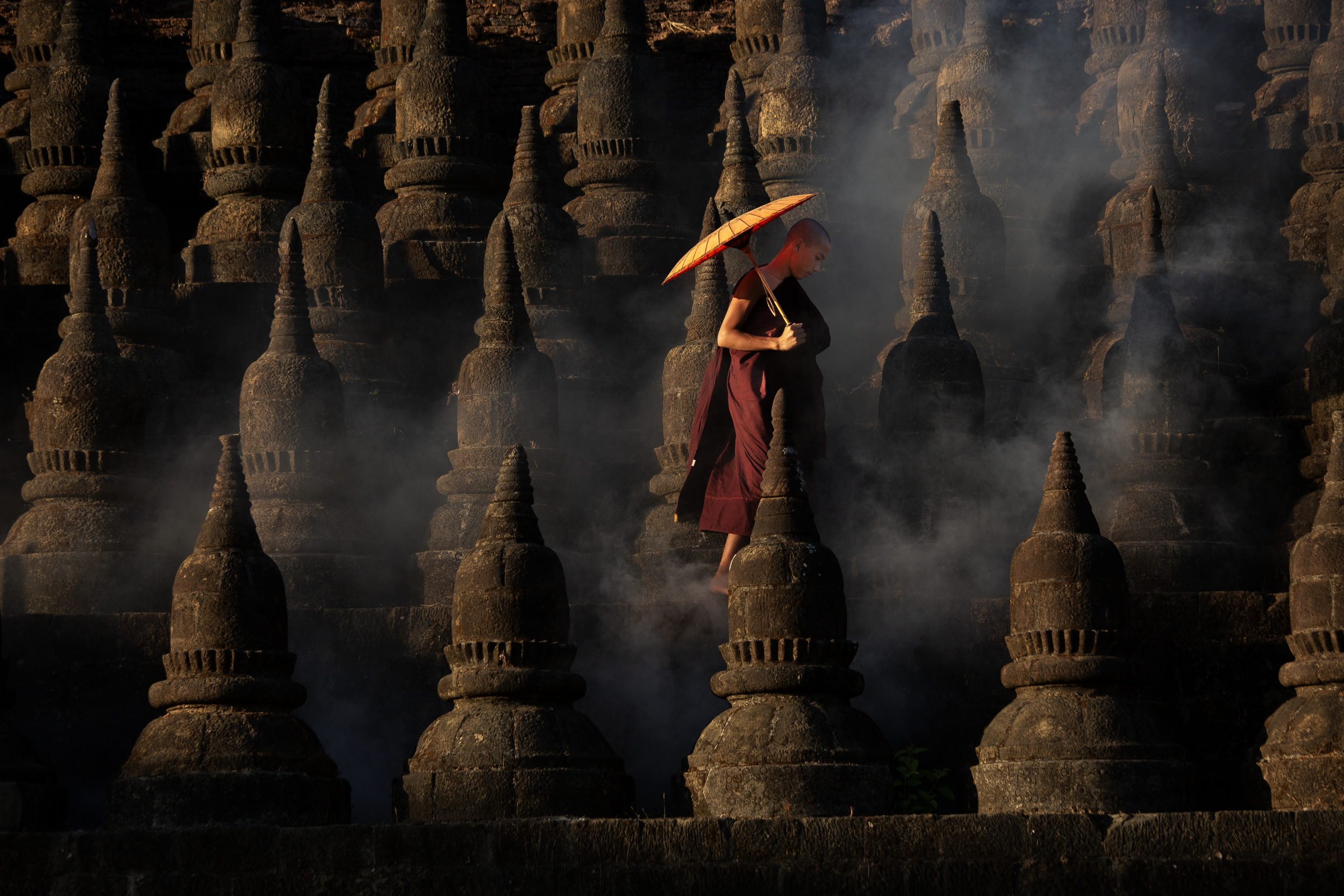
‘Vid templet Mrauk U’ by Clas Gustafson PRO
Why Patterns Attract the Human Eye
Patterns are everywhere, from nature and architecture to human activity. Whether through the repetition of shapes, lines or textures, they bring a sense of order to the visual world.
The human eye is naturally drawn to repetition. It seeks structure, predictability and harmony. When patterns appear within a frame, they simplify complexity and create an immediate visual connection. The viewer does not need to search for meaning — the image feels organized and almost intuitive.
In photography, this attraction becomes a powerful compositional tool. A strong pattern can instantly engage the viewer, drawing them into the image through rhythm and familiarity.
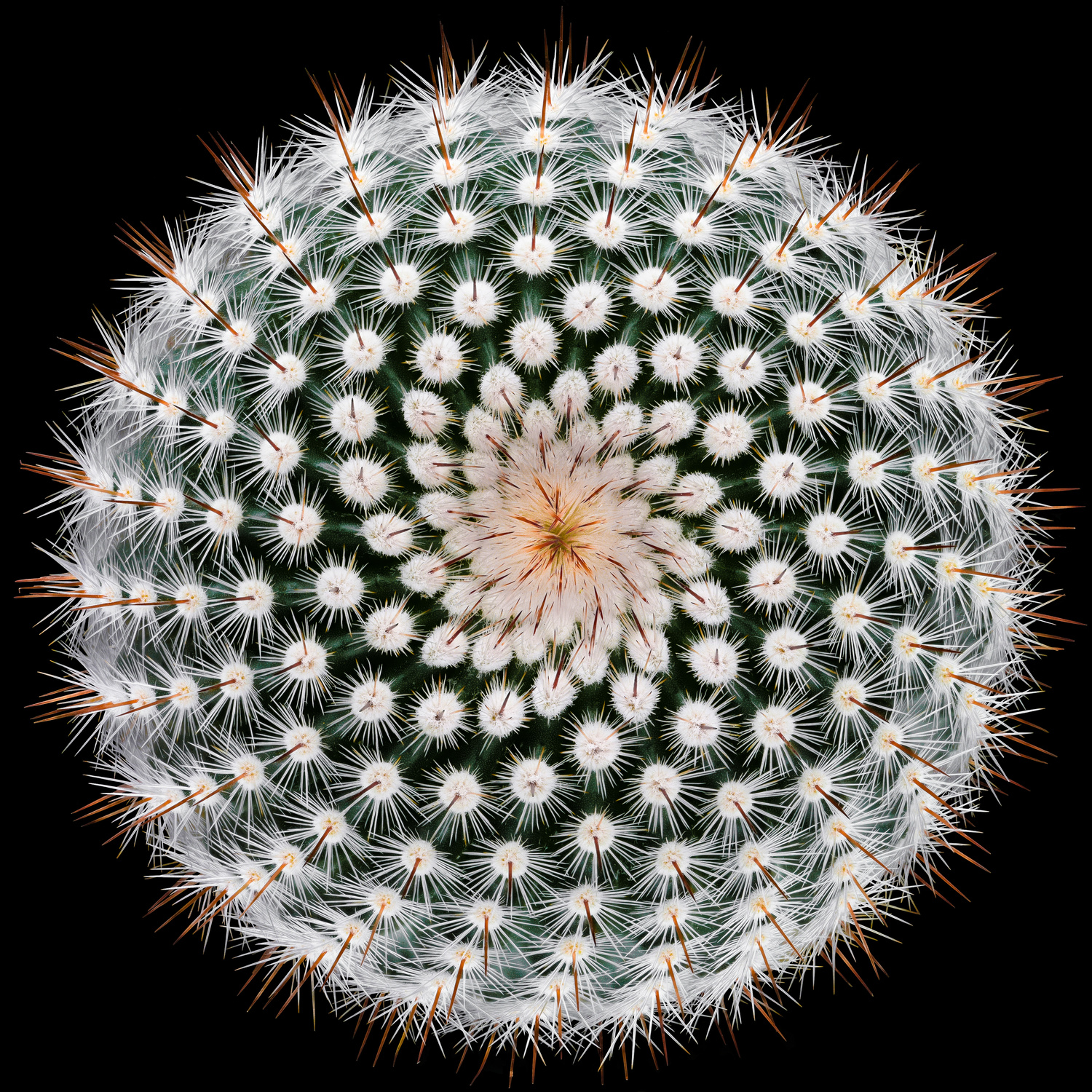
‘Notocactus scopa’ by Victor Mozqueda
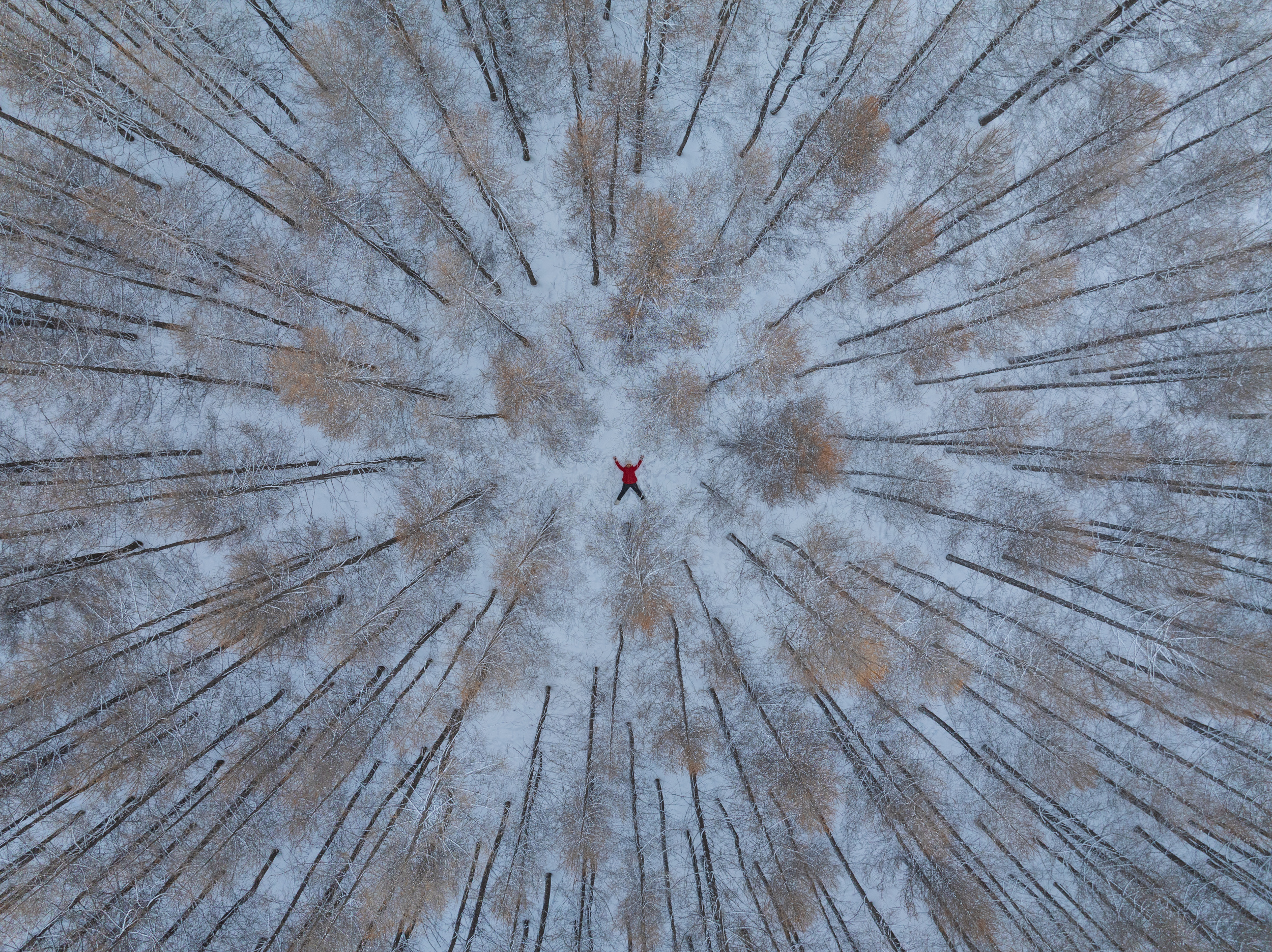
‘Aerial View of Person Lying in Snow Surrounded by Winter Forest’ by joy pingwei pan
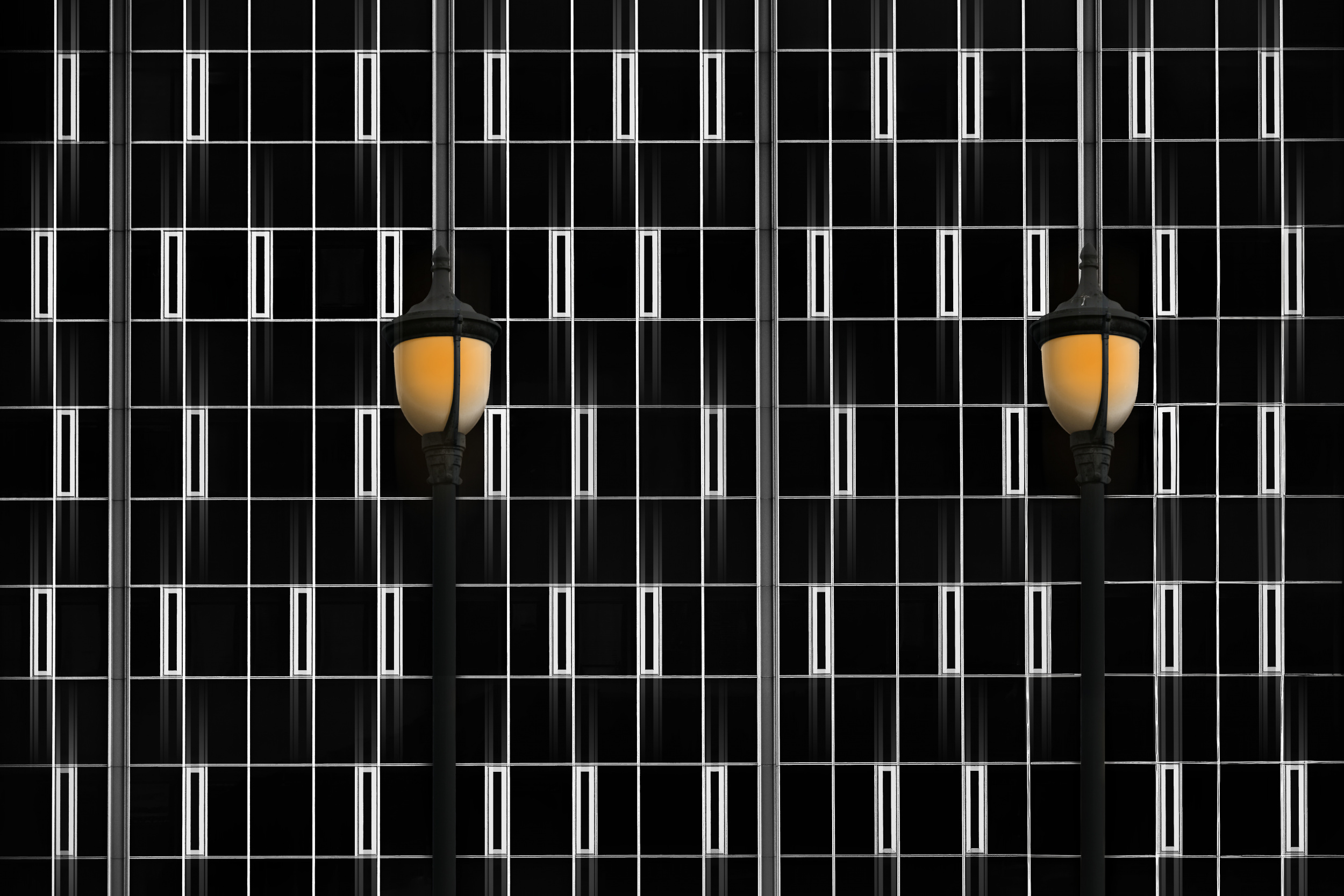
‘Facade Contrasts’ by Hans-Wolfgang Hawerkamp
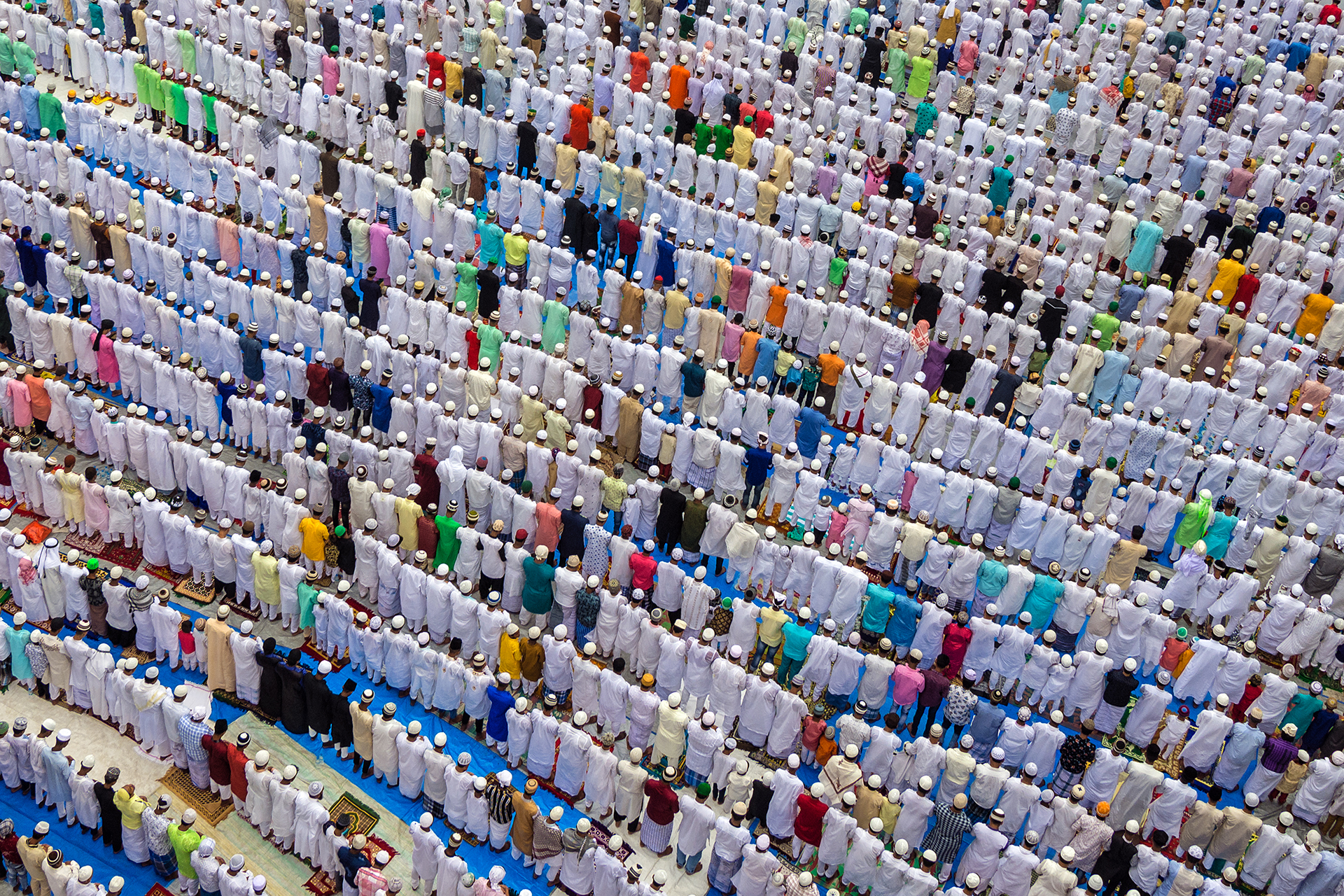
‘Patterns Of Eid’ by Saurabh Sirohiya
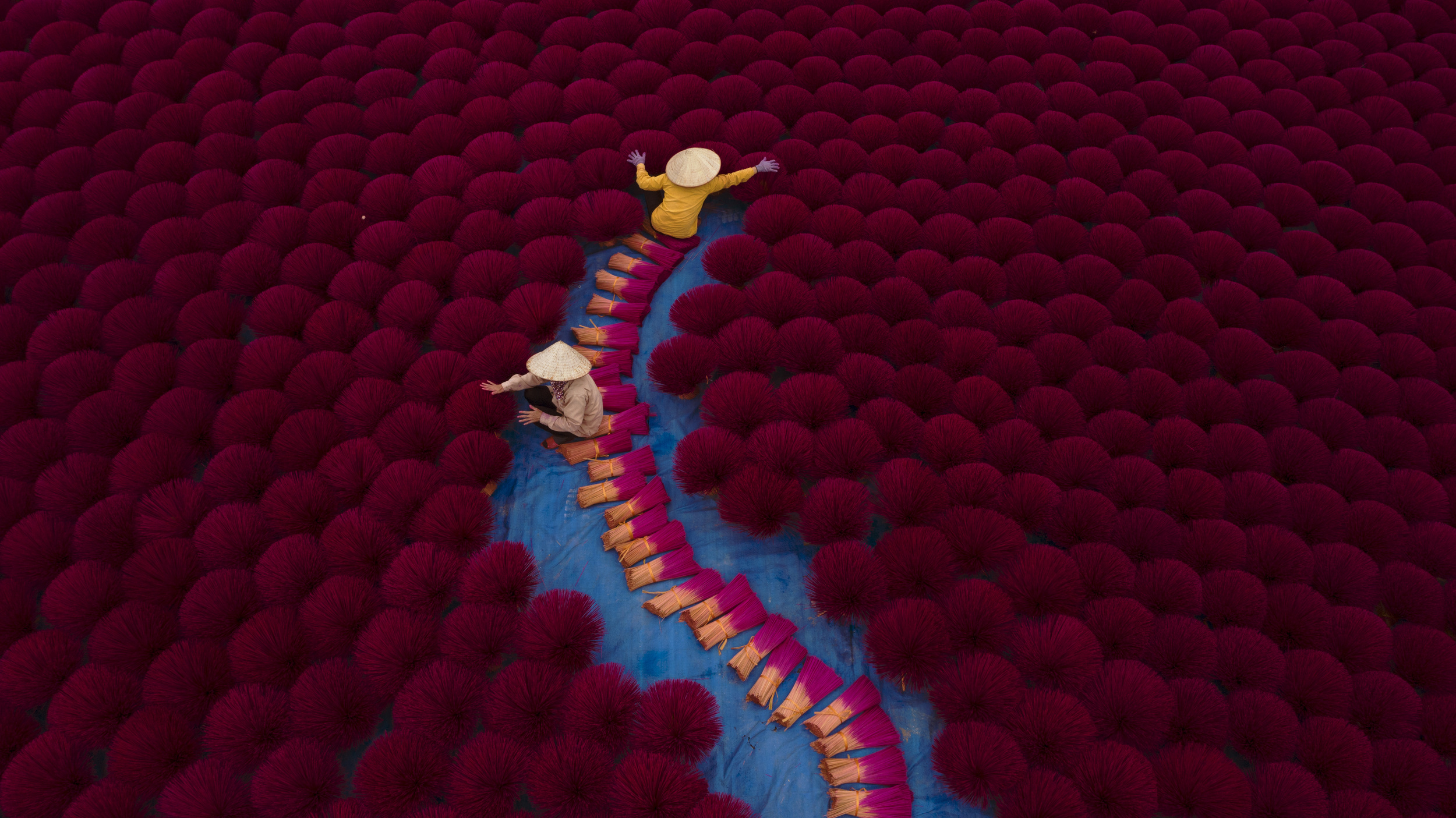
‘Incense workers’ by Azim Khan Ronnie
Repetition Creates Rhythm
At the heart of pattern photography lies repetition, which creates a visual rhythm that guides the viewer’s eye across the frame.
In some images, this rhythm is precise and structured, as with architectural forms. In others, it is softer and more fluid, resembling waves, natural formations, or aligned objects. Regardless of form, repetition introduces flow. The eye moves from one element to the next, creating continuity and balance.
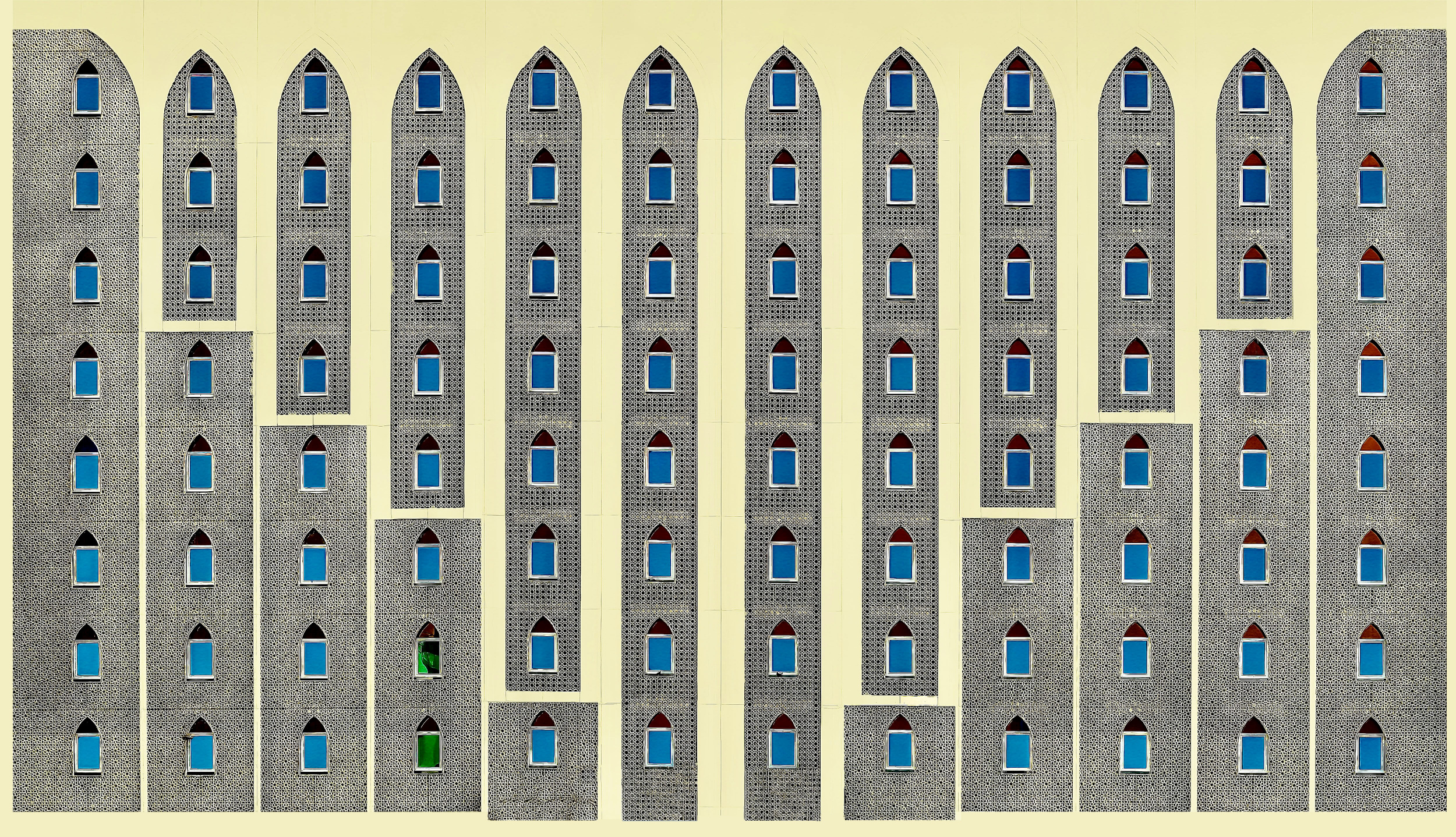
‘Facade – Dubai’ by Arnon Orbach
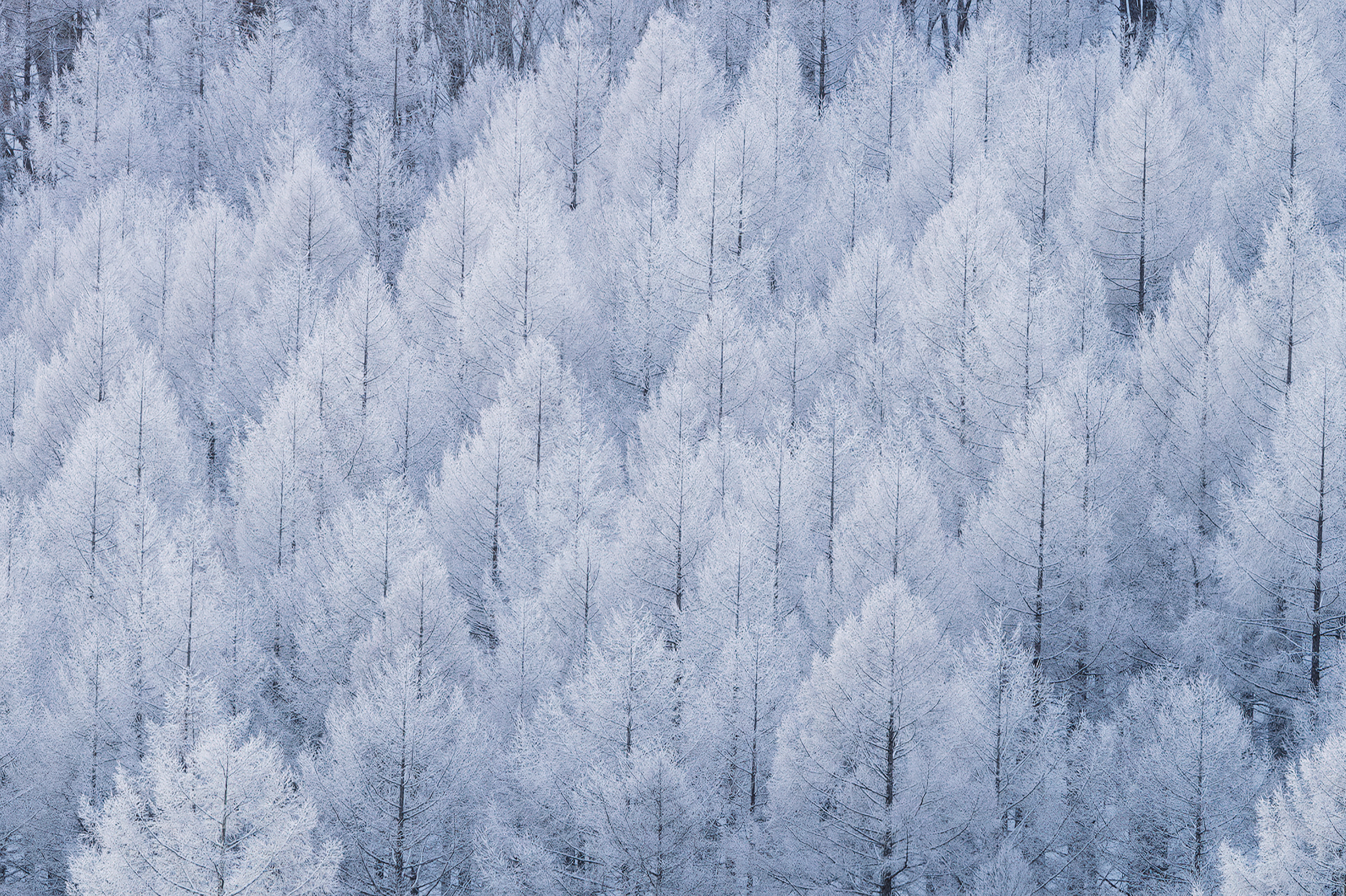
‘Patterns of Winter’ by Shumon Saito
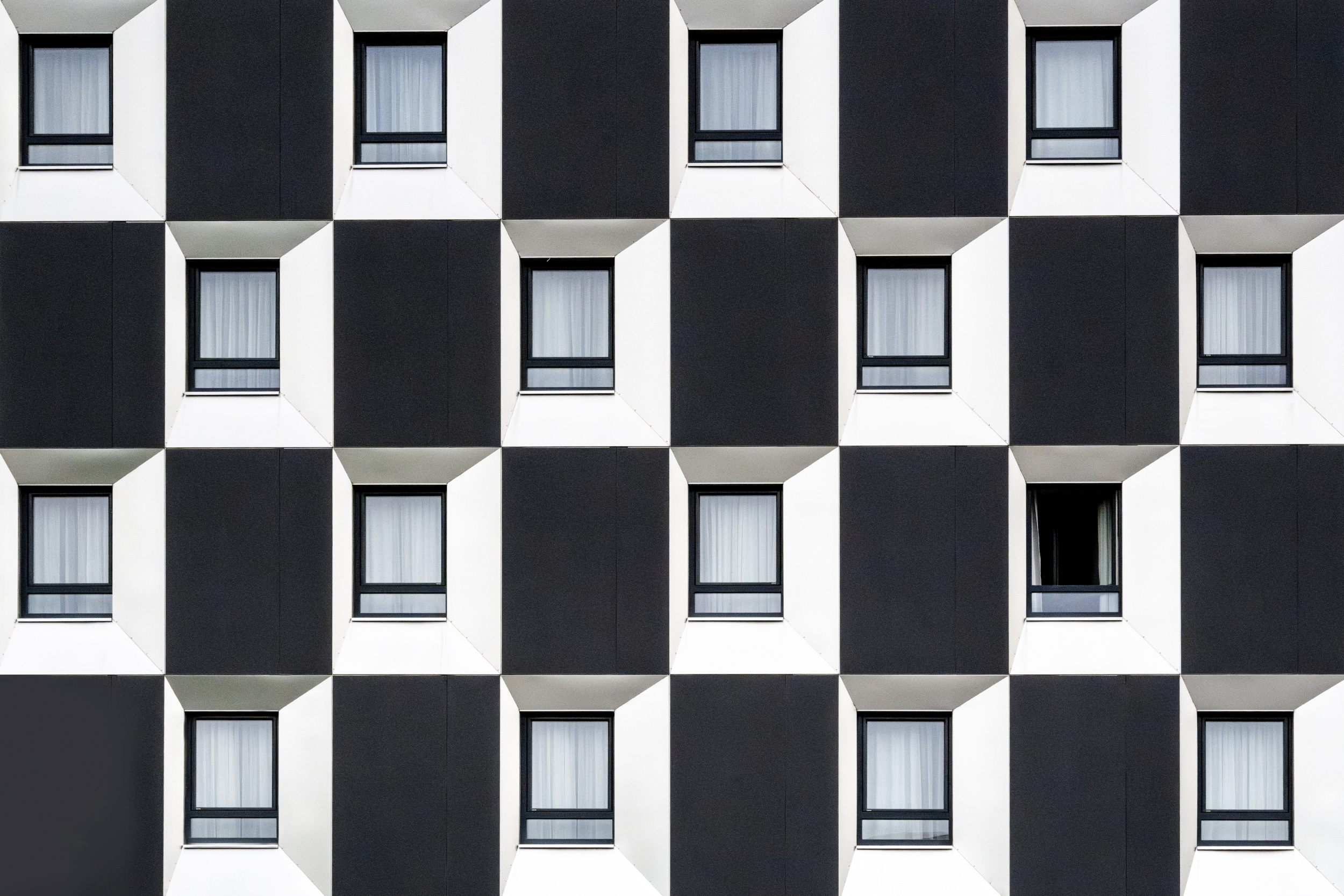
‘Checkerboard #1’by Linda Wride

‘densely packed’ By Tomoshi Hara
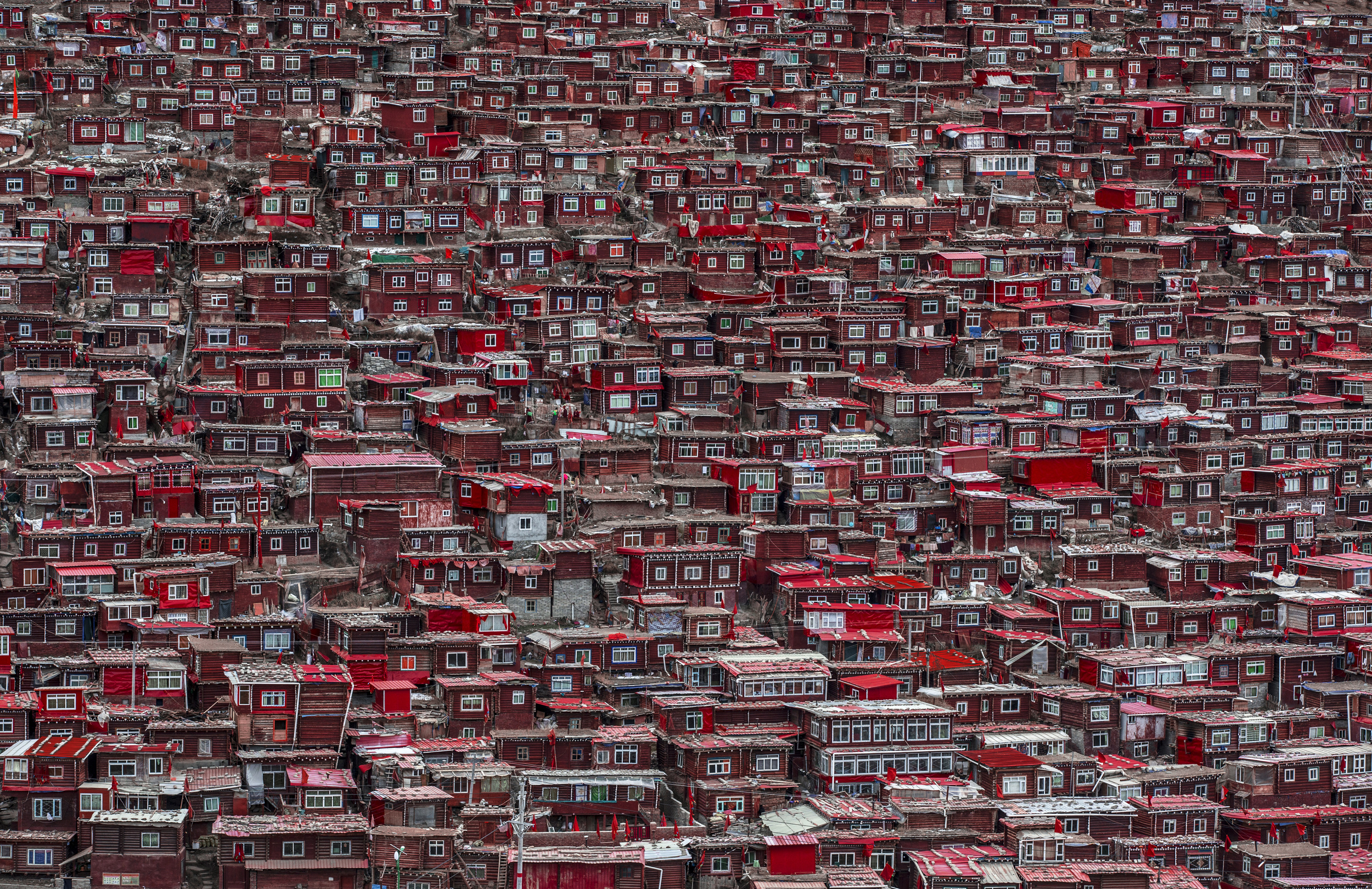
‘Red houses’ By Ali Al-Jazeri
However, although rhythm creates harmony, it is often not enough to hold people's attention on its own.
Breaking the Pattern: The Point of Interest
A subtle disruption is often what makes a pattern photograph truly compelling.
It's a single element that breaks the repetition. This could be a different colour, a change in direction, a human presence or an unexpected gesture that immediately draws the viewer's eye. The pattern provides structure, but it is the break that creates meaning.
These disruptions introduce tension and focus. They provide the viewer with a focal point within the repetition. Without them, patterns may still be visually pleasing. But with them, the image becomes memorable.
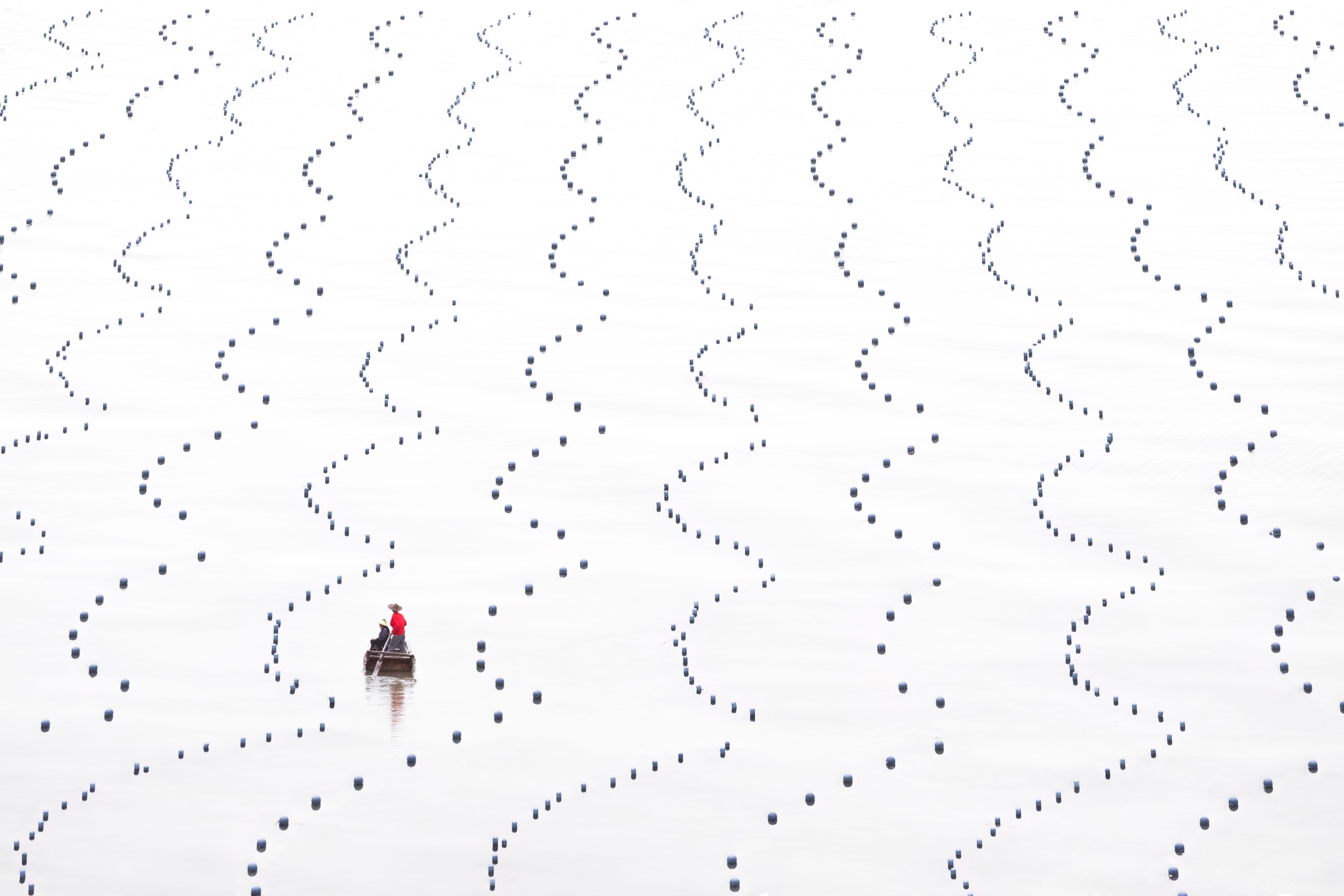
‘Working on the water of a sea farm’ by Songlin Xu
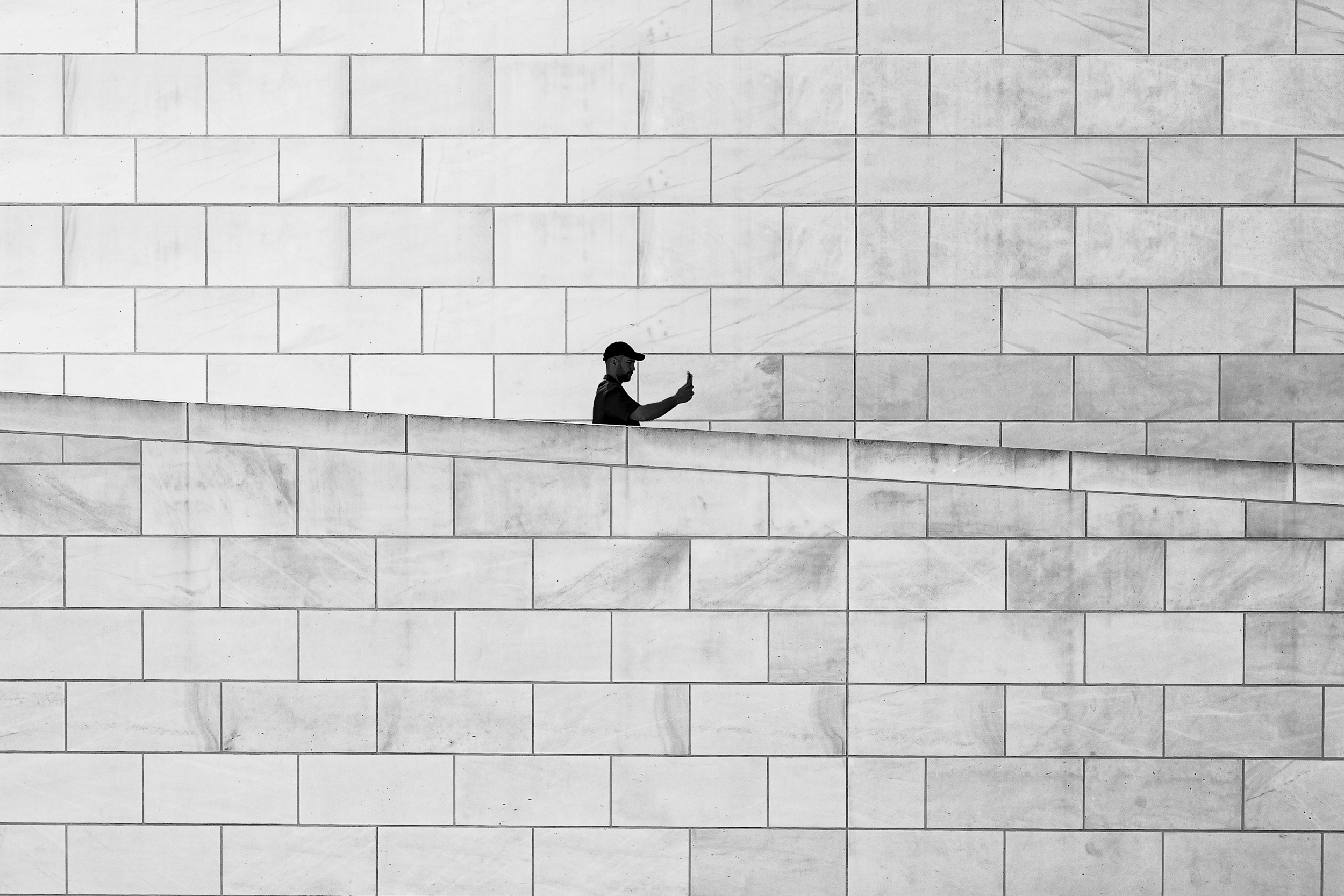
‘self-presentation’ by Matthias Polakowski
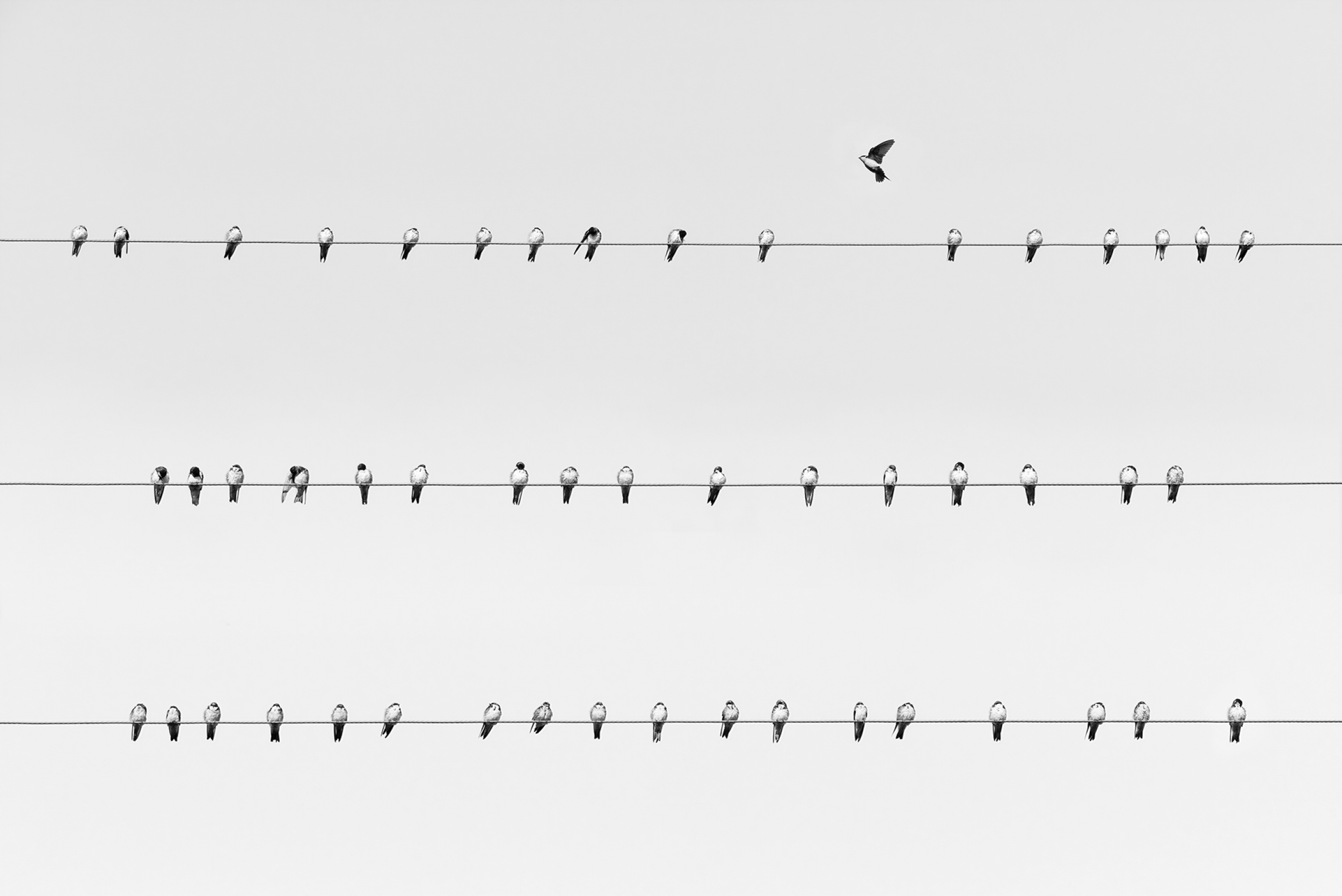
‘The Melody’ by Li Jian
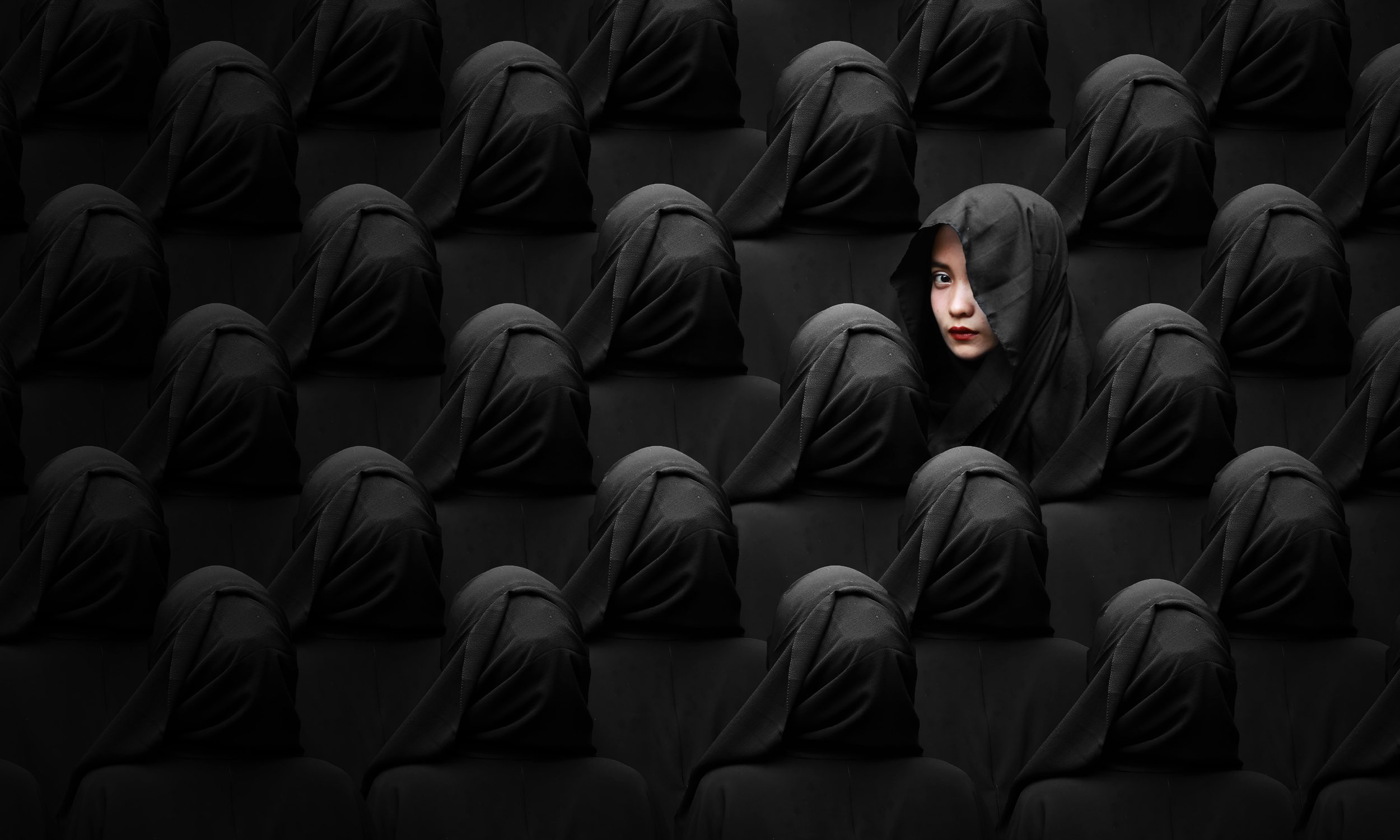
‘Mung Sliramu’ by bonifasius’ wahyu adi f
When Patterns Interact: Layers, Contrast, and Coexistence
In photography, patterns do not always exist alone. In many of the most powerful images, multiple patterns coexist within the same frame. These patterns interact, overlap or even compete for attention.
One pattern may dominate, while another may support or contrast with it. This interplay adds depth and complexity. Rather than being guided by a single rhythm, the viewer navigates between multiple visual systems within the image.
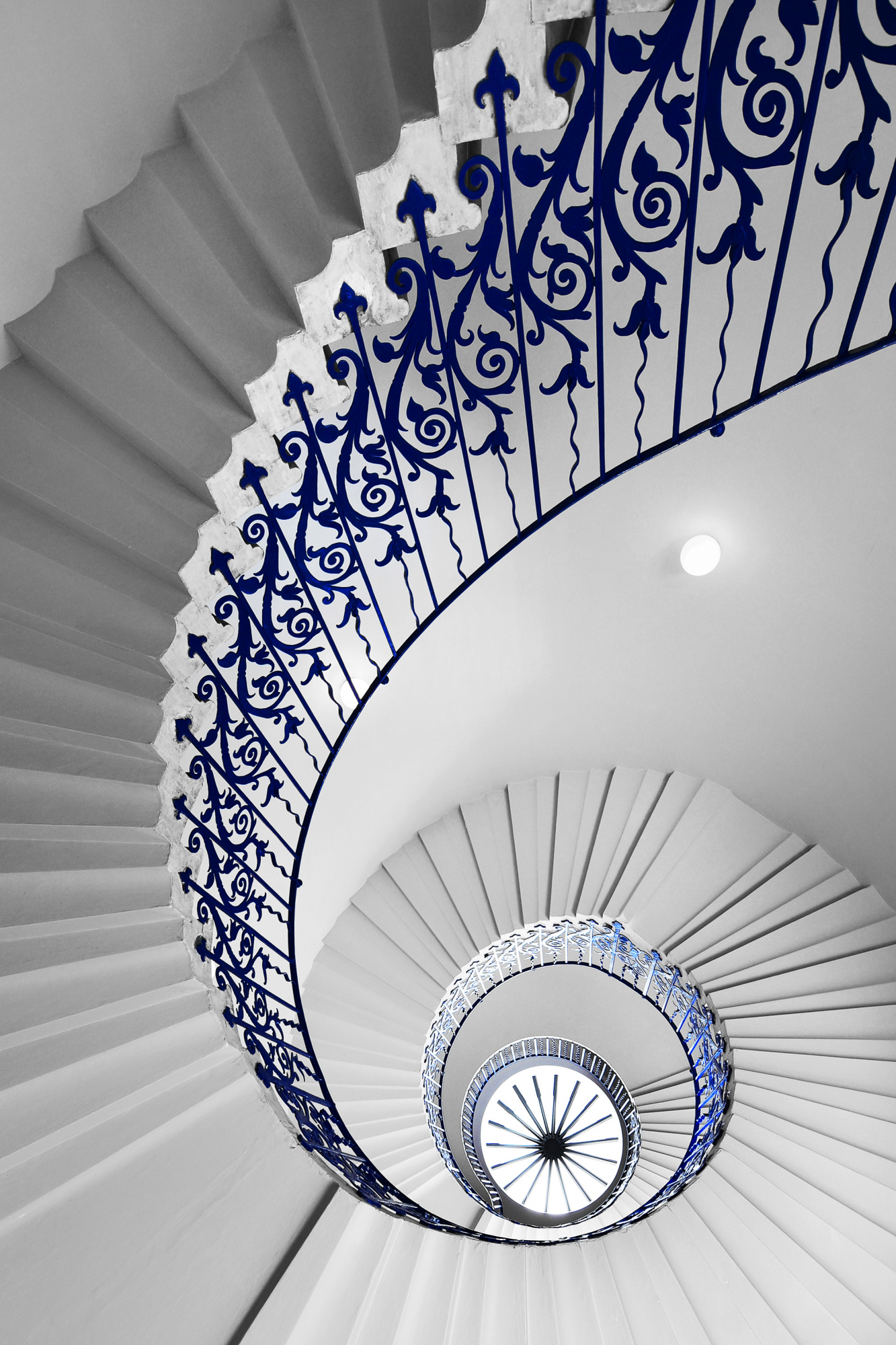
‘Up or down?’ by Jorge Pimenta
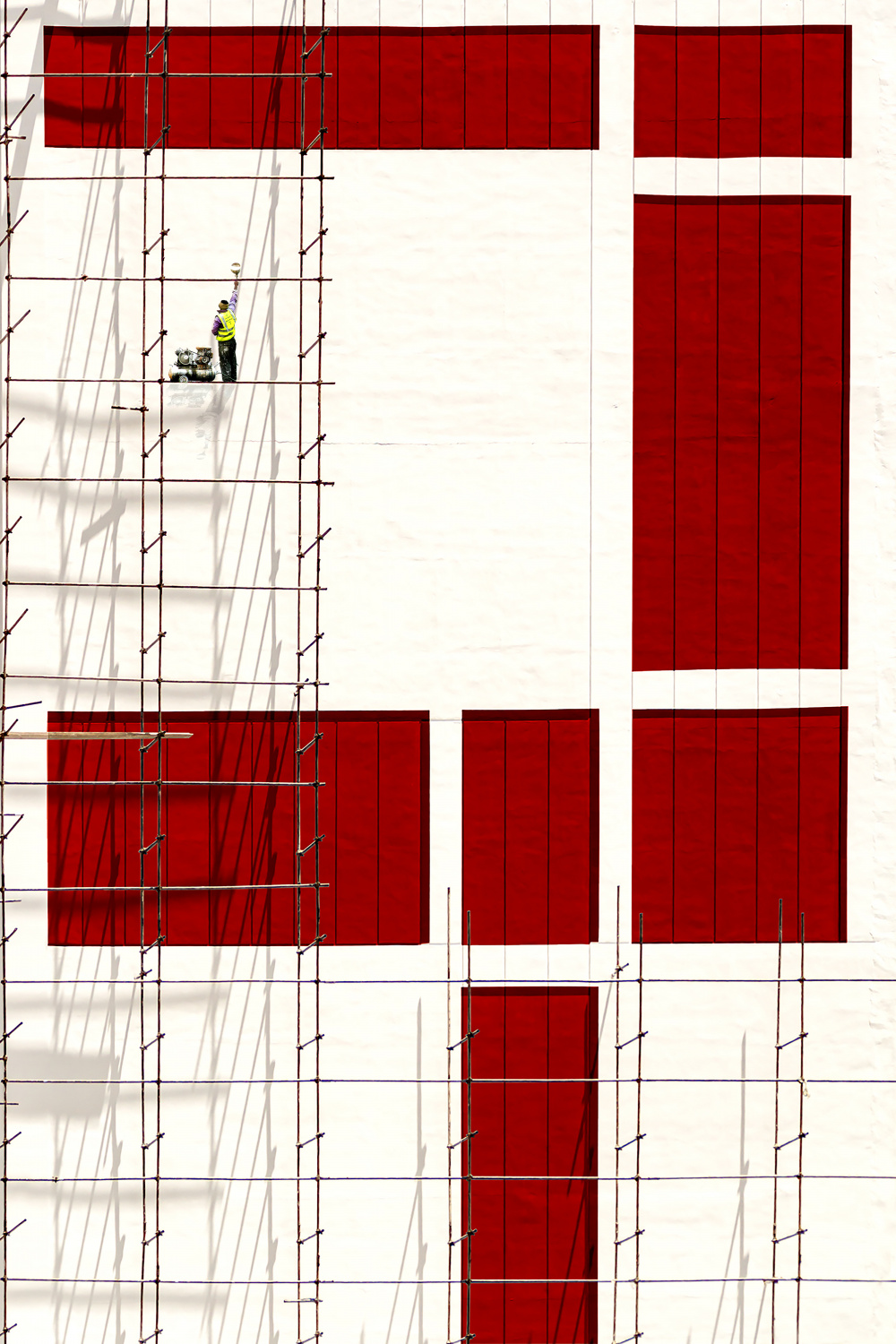
‘Lines, Reds and a man’ by Hamid Mohammad Hossein Zadeh Hashemi
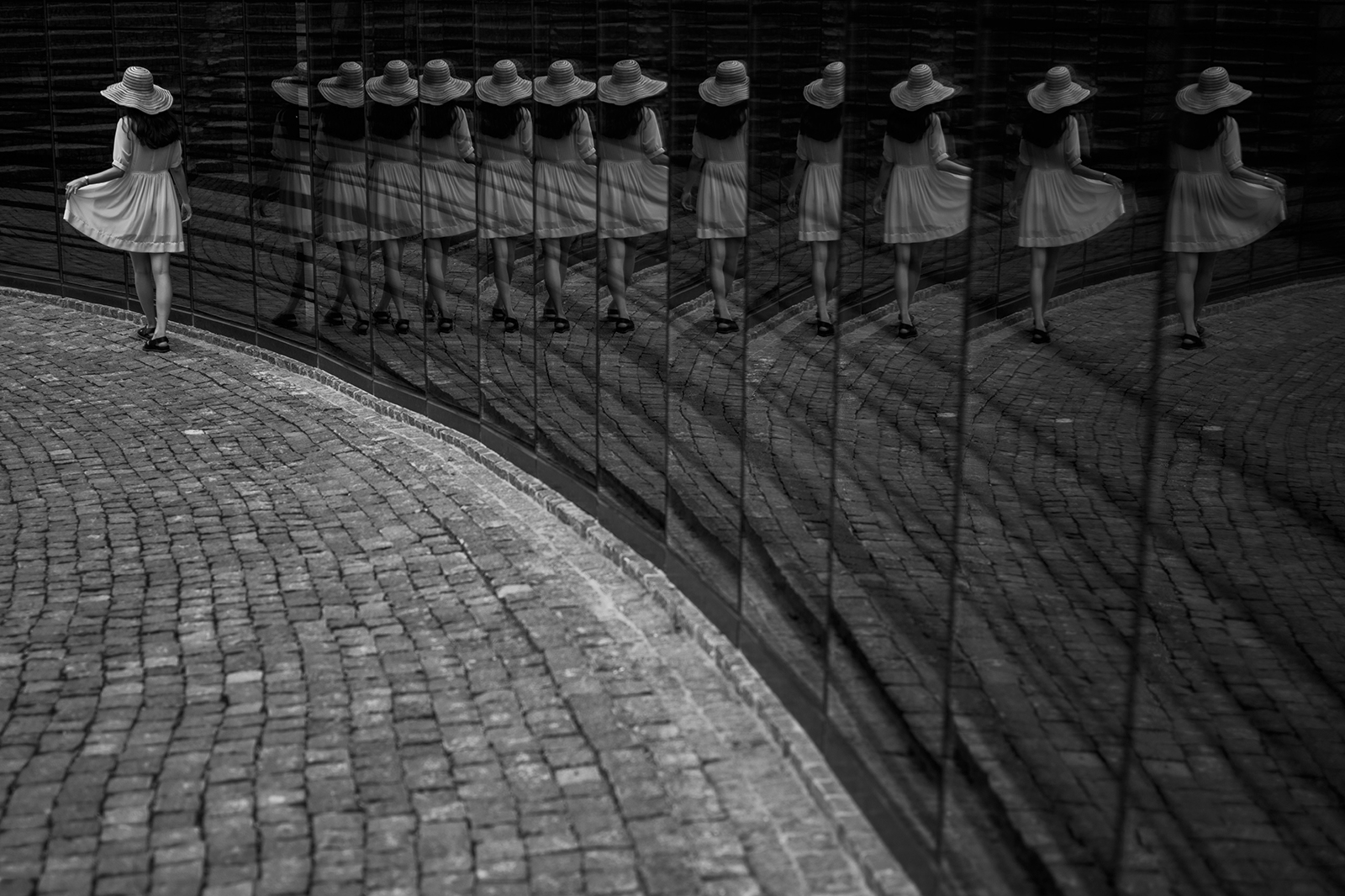
‘posing’ by HAN dong hee
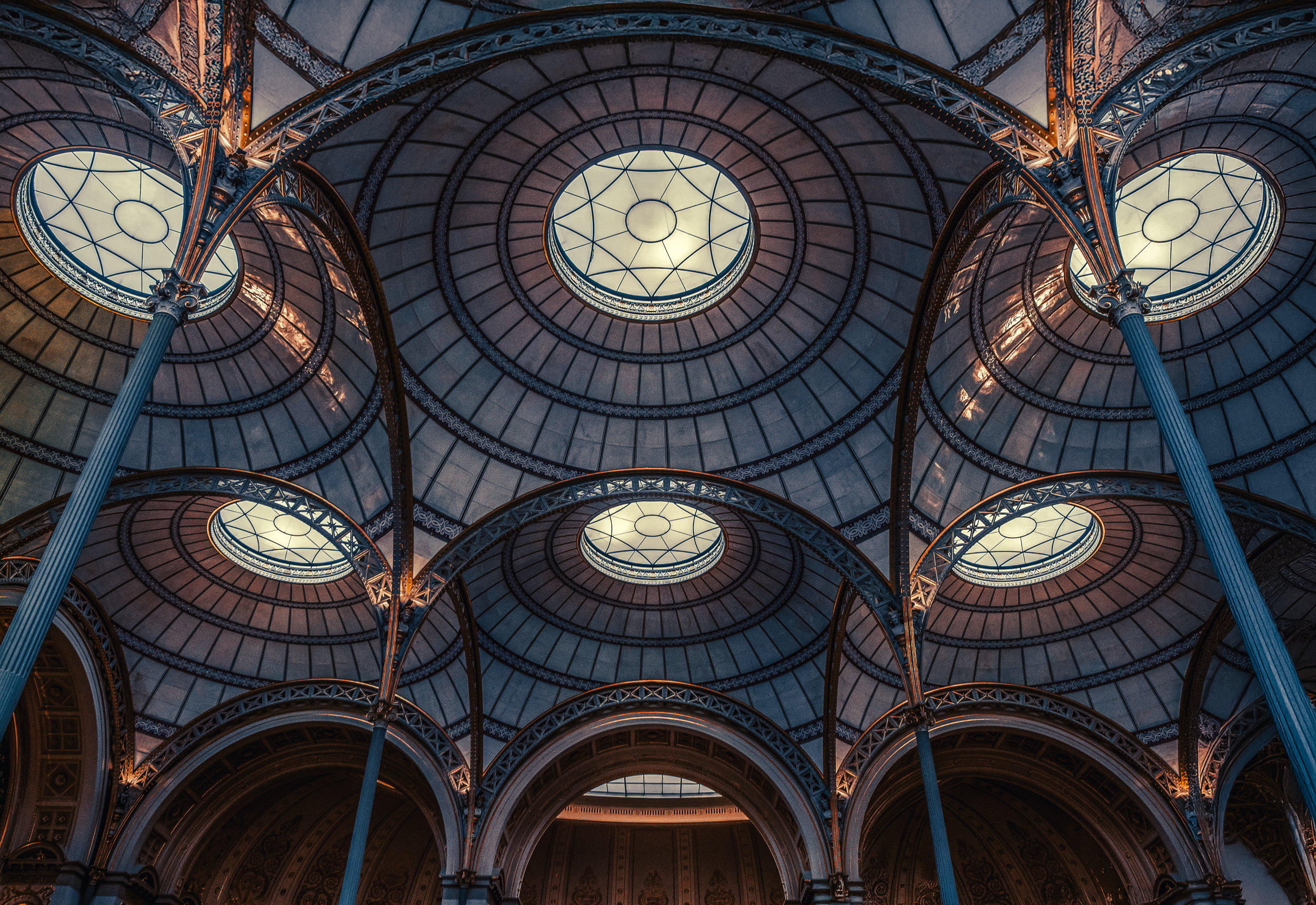
‘Circles’ by Rana Jabeen in Architecture
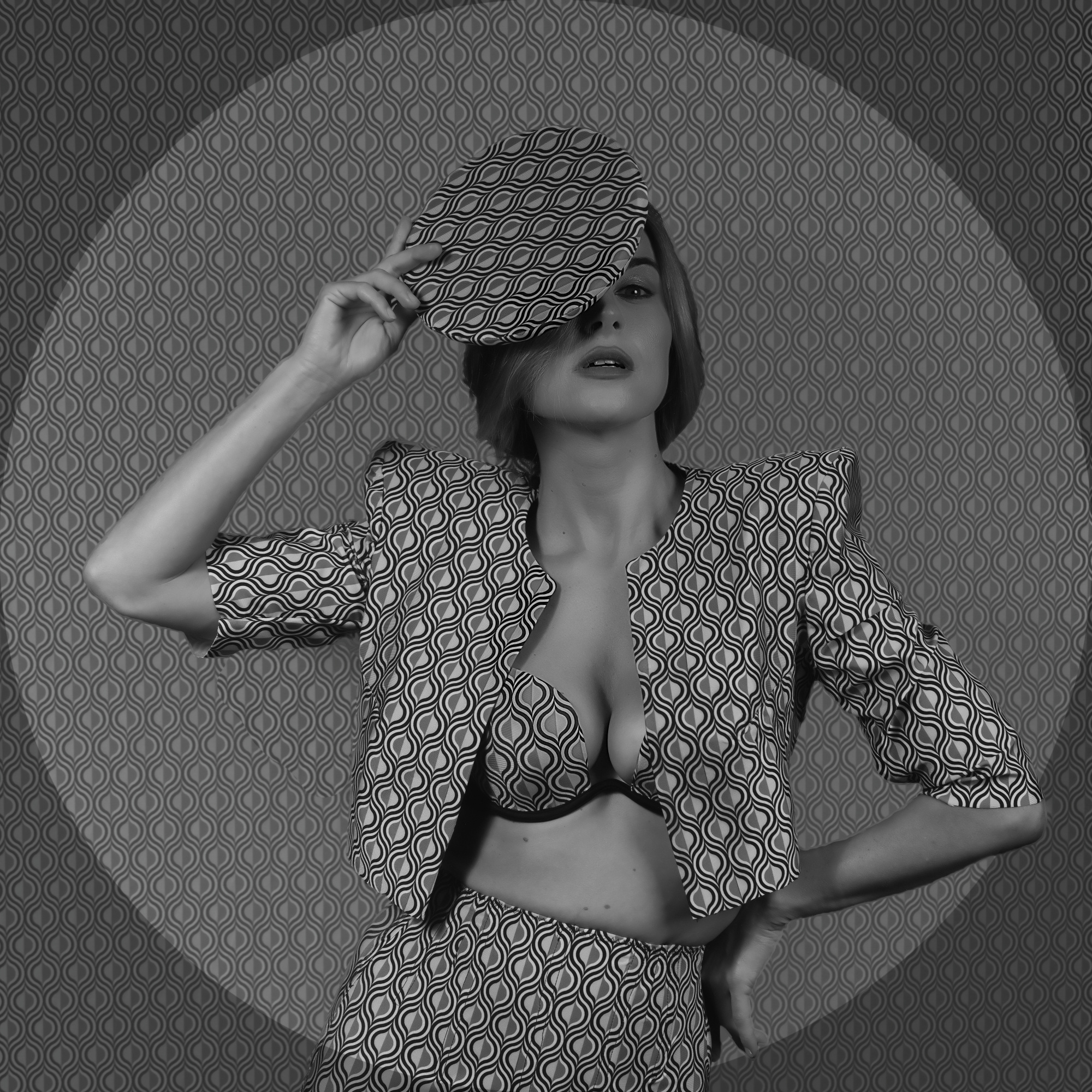
‘Izabella’ by Itzik Rabinovitz
Patterns bring order to an image, but it is their variation, disruption and interaction that breathe life into it.
Pattern photography is not just about recognising repetition; it's also about understanding how patterns guide the viewer, and how combining or breaking them can transform a simple composition into something expressive and enduring.
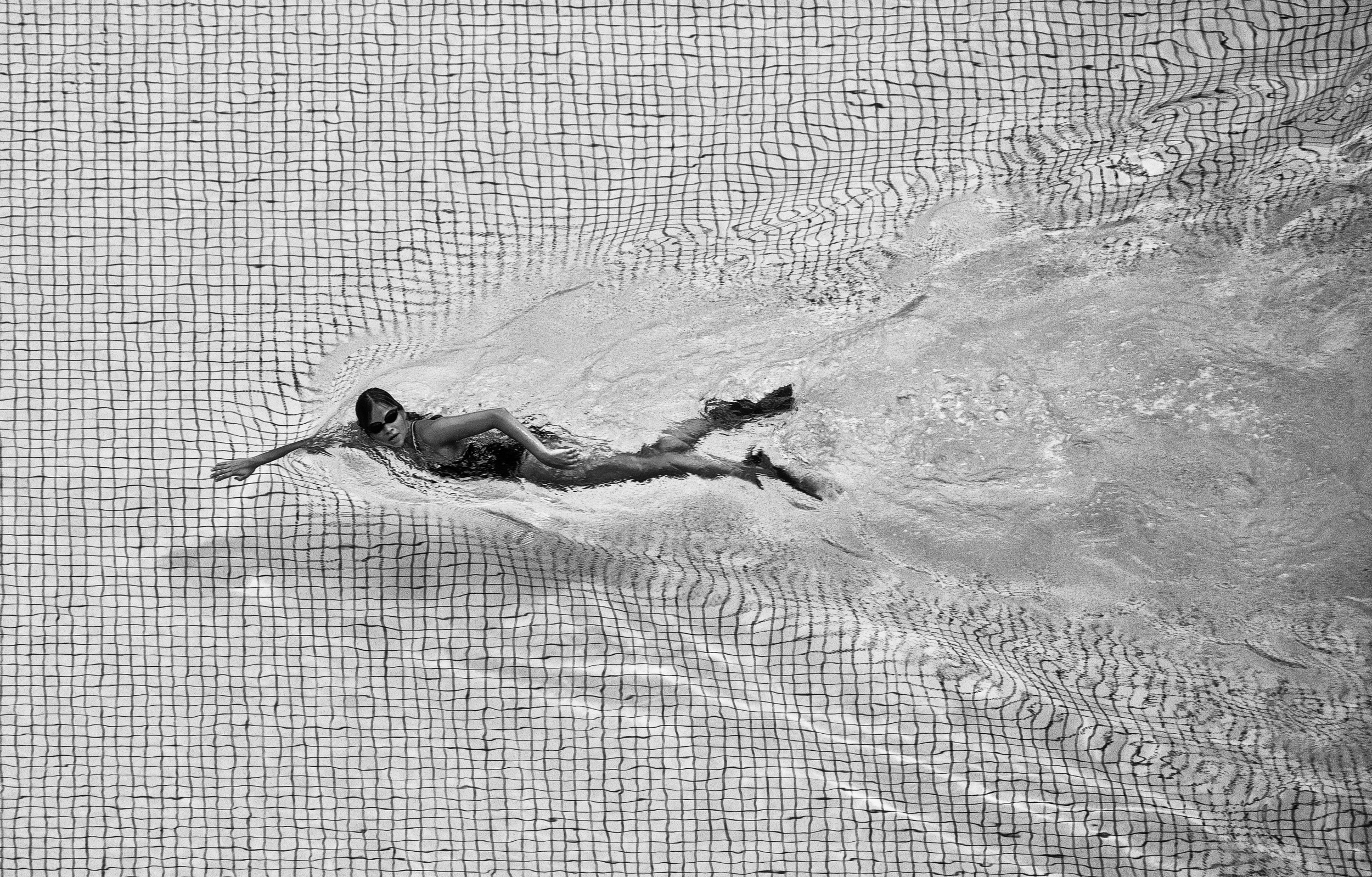
‘Breaking the net’ by C.S. Tjandra
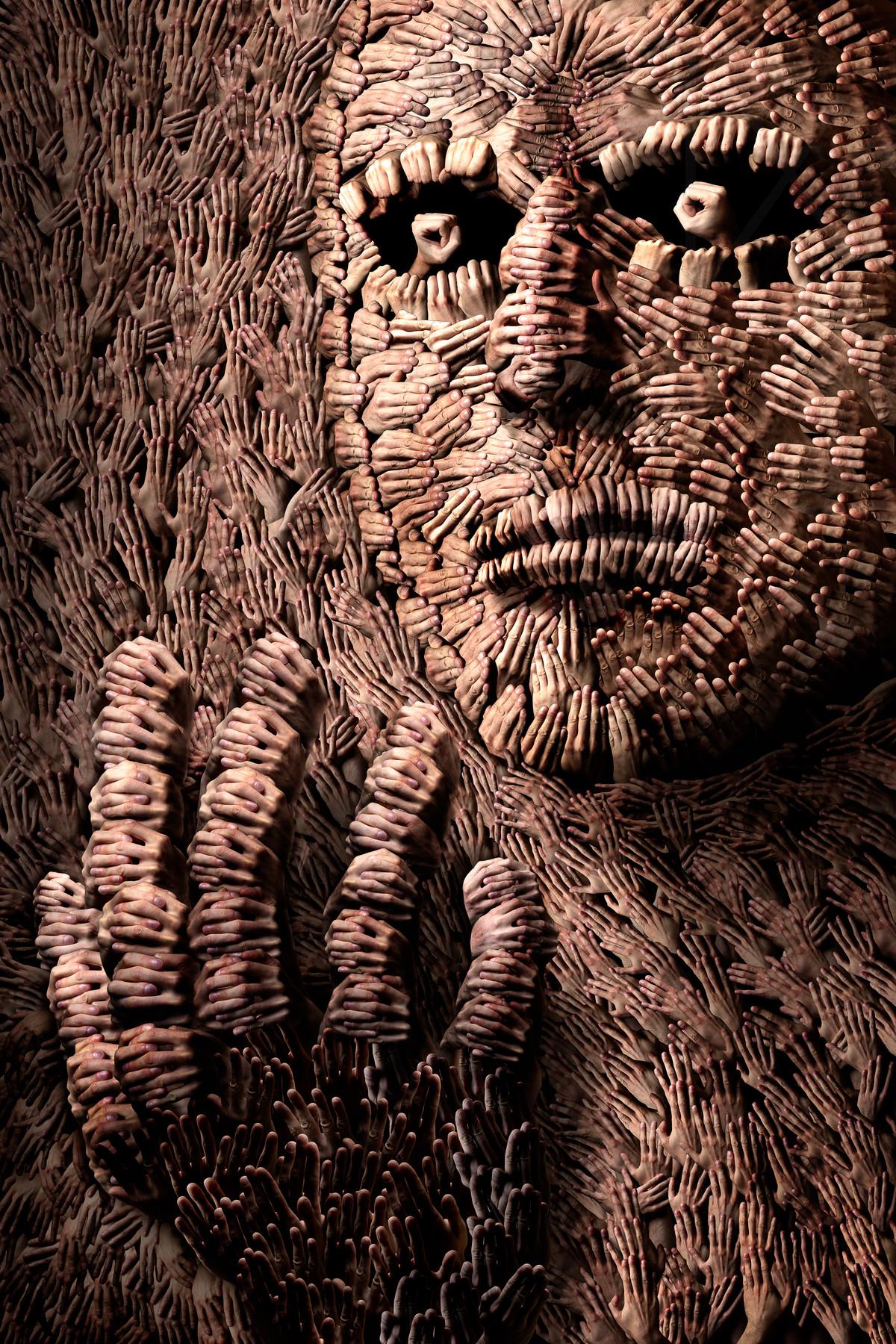
‘The Tool of Tools’ by Christophe Kiciak

‘Urban Maze’ by Nichole Chen
 | Write |
 | Jorge Pimenta PRO A collection of images that holds our gaze and touches the heart, all.of this within a context to which no one remains indifferent; my congratulations on the stunning article and the selection, dear Yvette and Jacob! My warmest regards! |
 | Giampiero Maffulli PRO All my best for your work, great! |
 | Teodora Codreanu PRO Beautifull |
 | Thierry Dufour PRO This series is absolutely stunning, the images are extraordinary, a real treat. A huge thank you to Jacob and Yvette, I truly loved it !!! |
 | Azim Khan Ronnie CREW Thanks a lot Jacob (Jian ) Xu and Yvette Depaepe, for selecting my work in this excellent and wonderful article. I’m truly honored and grateful to you. |
 | Bill X. Liu PRO Much appreciation to Jacob and Yvette for collecting these woderful images together, one click could enjoy all Patterns. Big Wow to Nichile Chen, 'Urban Maze' is one the best! |
 | Sunil Kulkarni PRO Excellent work Jacob and Yvette putting these amazing photos with Patterns - especially love the ones with some Human element in them - congrats to all the photographers whose photos got included in this article. |
 | Jacob (Jian) Xu CREW Thank you very much, Sunil! |
 | Nichole Chen PRO Thank you so much, dear Jacob and Yvette, for including my image in this thoughtful and inspiring article. I’m truly honored and grateful to be part of it! |
| Jacob (Jian) Xu CREW Many thanks! Your images are always inspiring, creative, and artistic! |
 | Yvette Depaepe CREW Thanks for your appreciation, dear Nichole ... |
 | Songlin Xu PRO This article is full of observation, analysis and insights! Thank Jacob so much for the excellent work, and thank Yvette as always for her valuable editorial input! I am honored to be included in the article. |
| Jacob (Jian) Xu CREW Thank you and very glad to hear this article and image resonate with you, dear Songlin! |
| Yvette Depaepe CREW Our pleasure, dear Songlin ... |
 | Linda Wride PRO Big thank you to Jacob for such a fascinating article! And to Yvette as always for her valued editorial input. I’m honoured and delighted to have one of my images included! |
| Yvette Depaepe CREW Thanks, Linda ... All credits go to Jacob. Glad he has chosen an image of yours. |
| Jacob (Jian) Xu CREW Thank you for your feedback and wonderful image, dear Linda! |
 | Arnon Orbach CREW Thanks so much Dear Jacob for your impressive article, it is an exciting visual subject, beautifully treated. Thanks to dear Yvette for her editorial input as always. |
| Yvette Depaepe CREW Thanks a lot for your never lasting appreciation, Arnon ;-) |
| Jacob (Jian) Xu CREW Thank you and very appreciate it, dear Arnon! |
 | Hans-Wolfgang Hawerkamp PRO many thanks to Jacob for this remarkable article. The theme is an essential part of good image composition and is very close to my heart. Thanks also to Yvette for her work as an editor and publisher |
| Yvette Depaepe CREW Thanks for myour appreciation, Hans-Wolfgang. |
| Jacob (Jian) Xu CREW Thank you so much, dear Hans-Wolfgang! You have such a rich gallery of outstanding images that it was truly difficult for me to decide which one to select. Your work is consistently inspiring! |